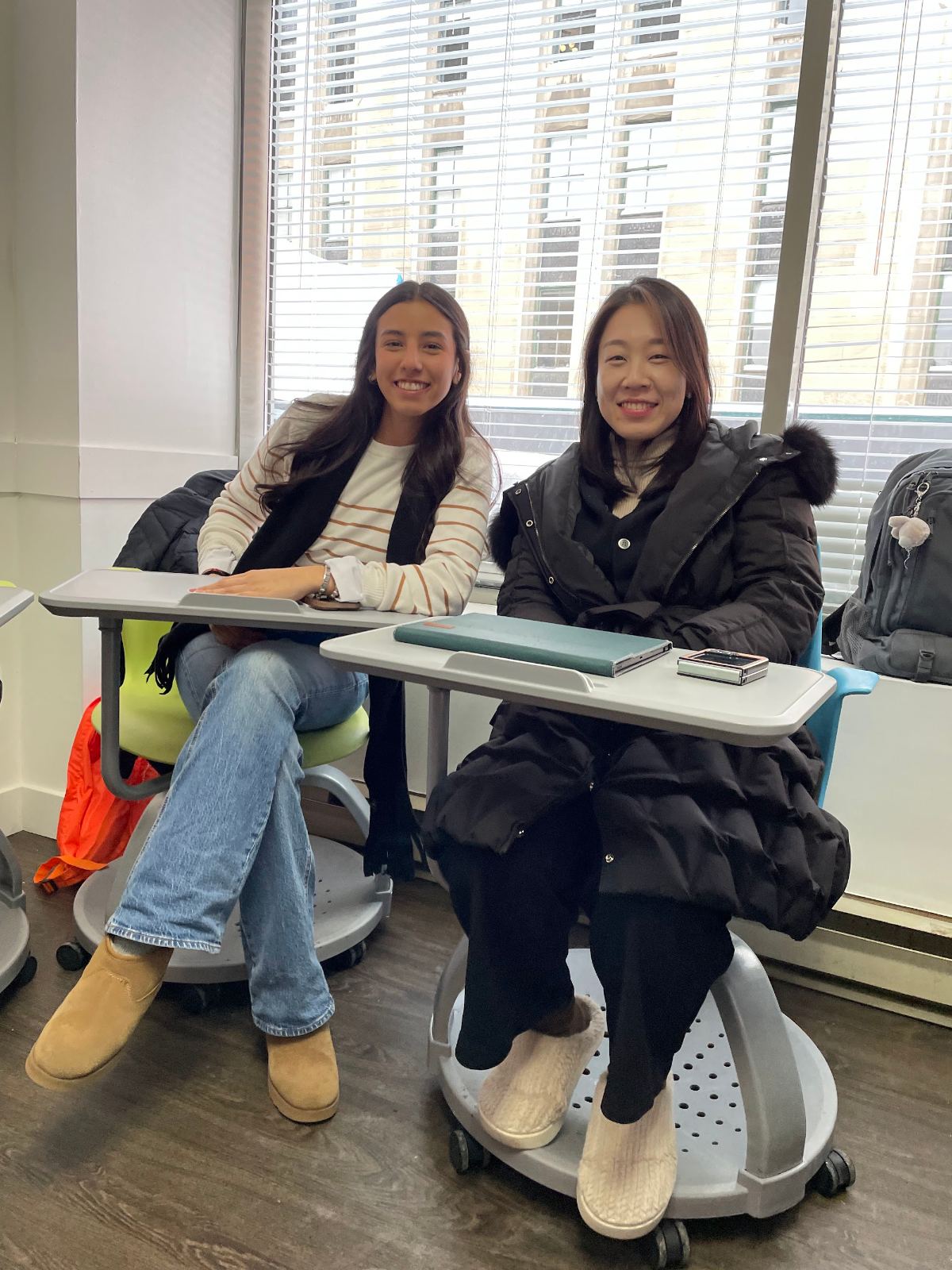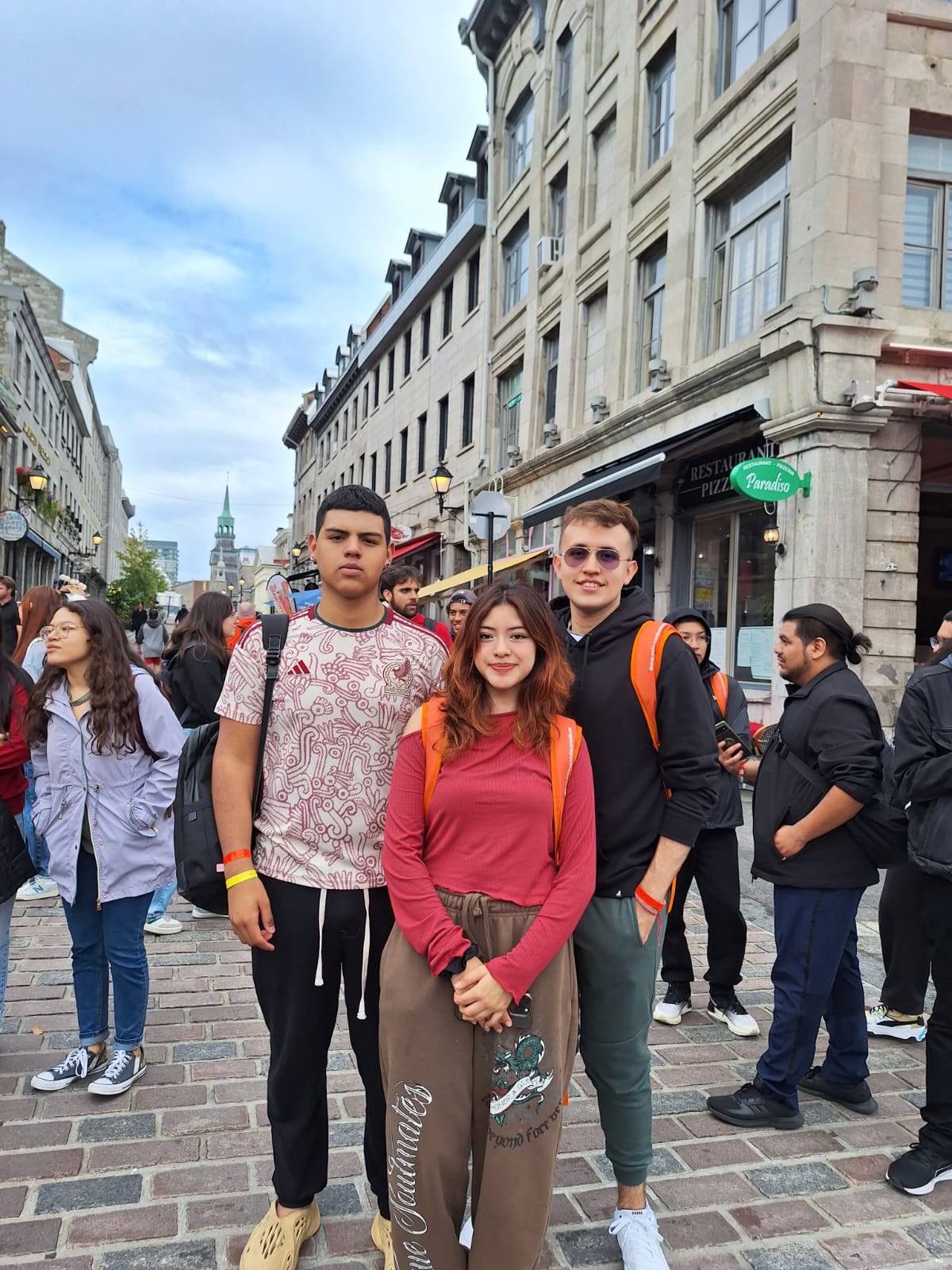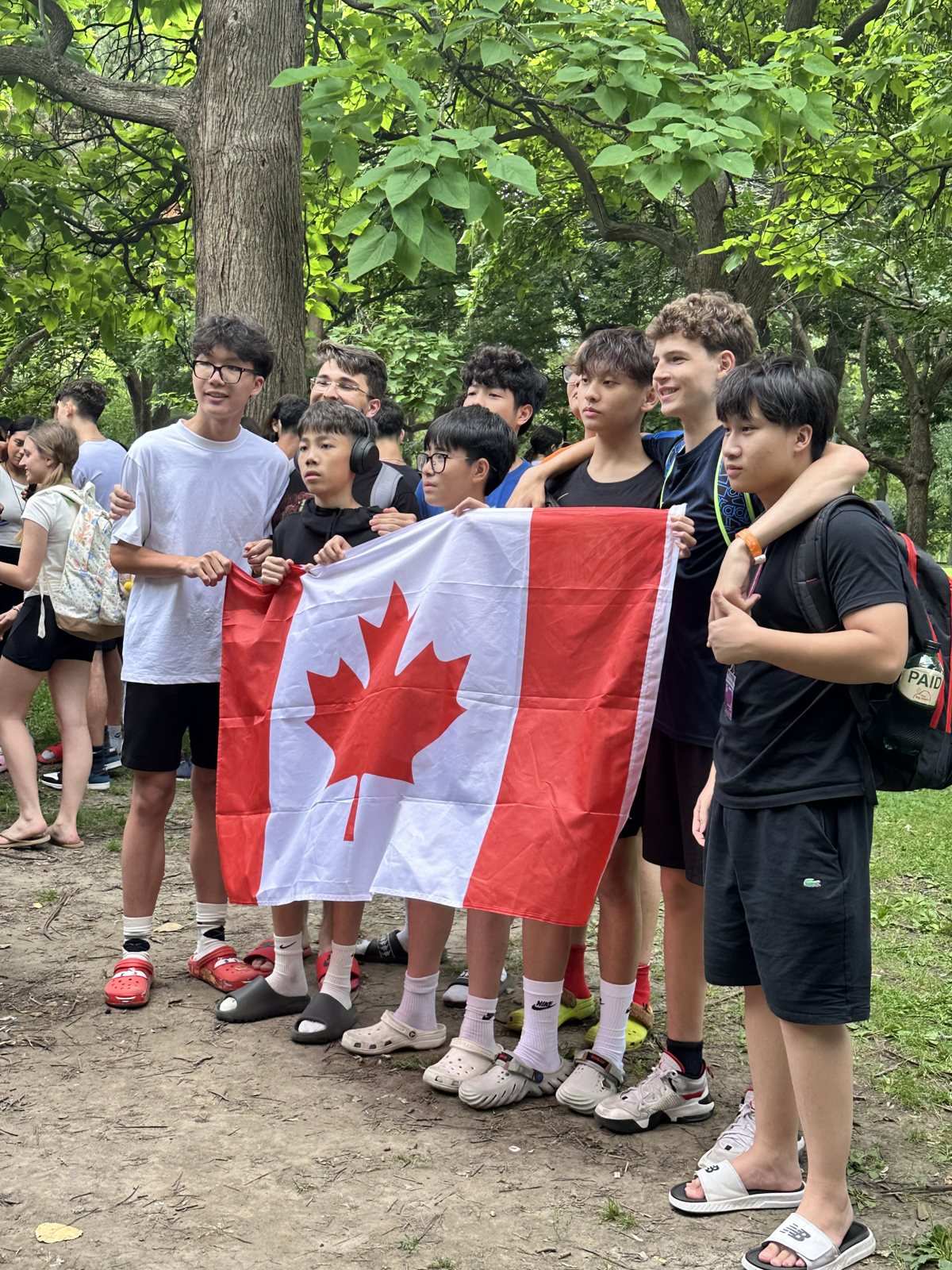
- Camps put the language to work in real situations every day.
- Continuous practice builds fluency faster than a few hours a week.
- Activities, culture and new friends make students want to speak.
Real conversations, not just grammar
Traditional classes often focus on grammar rules, vocabulary lists and textbook exercises. While these are essential, they can sometimes feel disconnected from real-life communication.
In contrast, language camps immerse students in everyday situations where they must use the target language to interact with others. Whether ordering food, joining group activities or exploring local attractions, students develop practical skills they can apply right away.
Practice all day, not a few hours a week
Traditional classes are usually limited to a few hours a week, which can slow down progress. Language camps provide continuous exposure throughout the day.
This constant interaction speeds up fluency by reinforcing what students learn and building confidence in a natural way.
Learning that feels like fun
Lectures and drills can feel monotonous. Language camps replace them with cultural tours, creative workshops and outdoor adventures.
These hands-on experiences make learning fun and help students remember what they learned.
Culture is part of the lesson
Understanding a language means understanding the culture behind it. At BLI's camps, students take part in activities that show Canadian traditions, festivals and local life, so the language comes with its context.
Confidence comes faster
Speaking in front of classmates can feel intimidating. Immersive camps create a supportive environment where students practise without fear of mistakes. The focus is on communication, not perfection.
Friends from around the world
Language camps bring together students from many countries. These friendships make the experience richer and give students a global network they keep long after camp.
The bottom line
Traditional classes give a solid foundation. Immersion programs like BLI's camps take learning further: real practice, culture and constant interaction help students reach fluency faster and with more confidence.