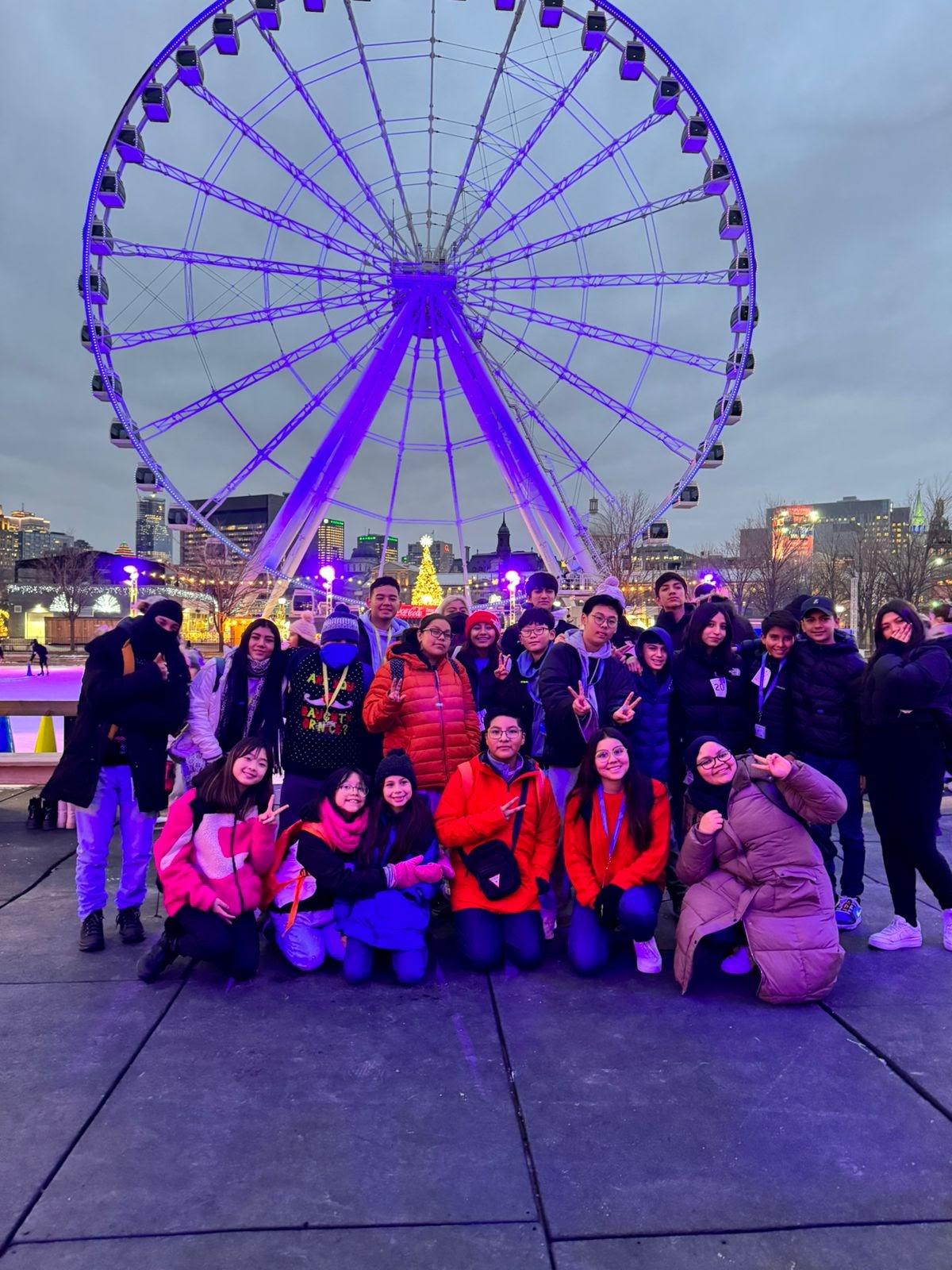
- Dress in layers: a warm coat, boots, a hat and mittens make the difference.
- The metro and the underground city let you cross downtown without going outside.
- Winter festivals, skating and snow sports make it a great season to study.
How cold does it get?
From December to March, temperatures are often below zero, and in January they can drop well below -10 °C. The wind makes it feel colder, so always check the "feels like" temperature before you go out.
Most days are bright and sunny, and buildings, buses and the metro are well heated.
What to wear
The secret is layers. Wear a base layer, a warm sweater and a winter coat that covers your hips. Add waterproof boots with a good grip, a hat (in Québec it is called a tuque), a scarf and mittens.
If you arrive from a warm country, buy your heavy coat and boots in Montréal: local stores have exactly what you need for the climate.
Getting around
The metro runs underground, so it is not affected by snow. Downtown, it connects to the underground city, a network of indoor passages and shopping centres. Sidewalks are cleared after every snowfall, but walk carefully on icy days.
What to do in winter
Skate at the Old Port, go sledding or snowshoeing on Mount Royal, and visit the winter festivals: Igloofest, the outdoor electronic music festival, and Montréal en Lumière, with light shows and outdoor activities.
Weekend trips to Québec City, Mont-Tremblant or a sugar shack are a great way to see winter in Québec.
Stay healthy and happy
Short days can affect your mood. Go outside when the sun is out, stay active and keep a routine. Join activities with your classmates: winter is easier, and more fun, with friends.
Studying at BLI in winter
Our classes run all winter in Montréal and Québec City. In winter, the activities calendar changes to skating, snow activities and trips, and our FLAP Winter Camp welcomes juniors from December to February.
The bottom line
With the right clothes and a few good friends, winter becomes one of the best parts of studying in Montréal.